How Senior Fall Detection Has Changed the Way Families Think About Safety
When my grandmother passed away two years ago, it wasn't the heart condition we had all worried about that finally took her. It was a fall in her own kitchen, a Tuesday afternoon, no one around for hours. That kind of story is far too common, and it is the reason senior fall detection has become such a vital part of how families approach aging in place. The technology has moved well beyond the basic pendant alarm my grandmother refused to wear. Today it involves a thoughtful combination of wearable devices, motion sensors, and artificial intelligence that can tell the difference between someone bending down to tie a shoe and someone collapsing.
For families in New Zealand, where the geography often means children live hours away from their parents, the peace of mind that comes from a reliable system is enormous. The fear is not just about the fall itself. It is about the time that passes before someone notices. That gap between the event and the emergency response is what medical alert systems are designed to close. And they have gotten very good at it.
What Senior Fall Detection Actually Does
At its simplest level, senior fall detection relies on an accelerometer. This is the same kind of sensor that tells your phone which way is up. When a fall occurs, the device detects the sudden change in speed and orientation. But not every sudden movement is a fall. That is where the artificial intelligence comes in. Modern fall detection technology uses algorithms trained on thousands of real-world falls to distinguish between a genuine accident and a rapid movement like dropping a book or sitting down too quickly. This reduces false alarms, which is critical because if a device cries wolf too often, older adults will stop wearing it.
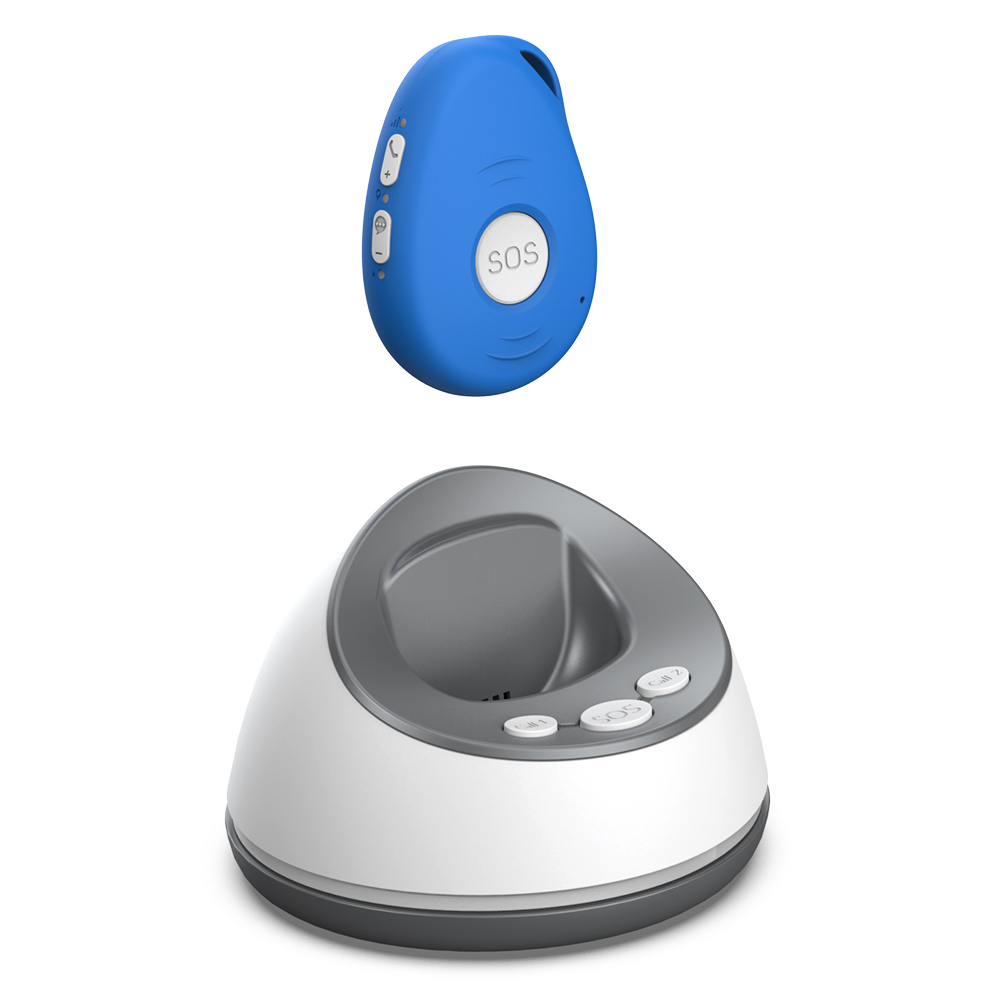
Most personal alarms now come in the form of a pendant alarm or a wristband. The user presses a button to call for help. But the real value of a fall detection system is that it can call for help automatically. If the wearer is unconscious or unable to press the button, the device still triggers an alert. That single feature can mean the difference between a quick recovery and a long hospital stay. For families, knowing that a parent is wearing a device that does not depend on their ability to press a button is a huge relief.
How It Fits Into Daily Life
There is a common misconception that these systems are complicated or intrusive. The reality is that most modern medical alert systems are designed to be worn and forgotten. A pendant alarm can be worn around the neck or clipped to a belt. It goes in the shower, it goes out to the garden. Waterproofing is standard now. The device communicates with a base station in the home, which then connects to a monitoring centre through the cellular network. Some systems also include GPS tracking, which means the device works outside the home too. If an older adult goes for a walk and falls in the park, the system can still detect the fall and send help to their exact location.
This kind of GPS tracking is especially useful for seniors who are still active and independent. It allows them to maintain their routines without having to check in constantly. The system does the checking for them. And because the monitoring is handled by a service like Familyr, the family does not need to be on call 24/7. The professional monitoring centre receives the alert, confirms the situation through two-way calling, and dispatches the appropriate help. The family is notified, but they are not the first responders. That is a huge emotional weight lifted.
The Financial Side: No Monthly Fees
One of the biggest barriers to adoption for senior safety technology has been cost. Many traditional systems charge monthly fees that add up quickly. For a retired person on a fixed income, an extra forty or fifty dollars a month is a serious consideration. Some families end up choosing between a medical alert system and other necessities. That is a terrible choice to have to make. Fortunately, there are now options that eliminate the monthly fees entirely. Familyr, for example, offers a model where you buy the device once and there are no ongoing monthly fees. This changes the calculation completely. It makes senior fall detection accessible to families who would otherwise be priced out.
The absence of monthly fees also means that families are more likely to invest in a high-quality device rather than settling for a cheaper, less reliable alternative. And reliability is everything in this space. If the device fails to detect a fall, or if the battery dies without warning, the consequences can be catastrophic. Good fall detection technology is not a luxury. It is a necessity for anyone who wants to age in place safely.

Beyond the Fall: The Broader Picture of Senior Safety
Fall detection is the star feature, but it is not the only tool in the box. Many modern systems also include motion sensors that can be placed around the home. These sensors monitor daily activity patterns. If the system notices that someone has not moved from the bedroom by ten in the morning, it can send a caregiver alert. This kind of passive monitoring is incredibly useful for families who live far away. It provides a quiet, constant reassurance that everything is normal. And if something is not normal, the family knows immediately.
There is also the social aspect. Many older adults resist these devices because they feel like a loss of independence. But when you explain that a pendant alarm or a wristband actually allows them to stay in their own home longer, the resistance often fades. The device becomes a tool for freedom, not a symbol of decline. Smart home integration is also starting to play a role. Lights can be set to turn on automatically if a fall is detected, which helps responders see what is happening. The technology is moving toward a future where the home itself becomes part of the safety net.
Fall Prevention Is Still Important
It would be irresponsible to talk about senior fall detection without mentioning fall prevention. The best detection system in the world cannot undo the damage of a fall. Prevention remains the first line of defense. Simple things like removing loose rugs, improving lighting, installing grab bars in the bathroom, and encouraging regular exercise to maintain balance all make a real difference. Detection and prevention work together. You do not want to rely on detection alone, but you also cannot prevent every fall. That is why having both layers is so important.
New Zealand has an aging population, and the need for these solutions is only going to grow. Families are looking for systems that are simple, reliable, and affordable. They want something that their parents will actually use, not something that ends up in a drawer. The combination of wearable devices, automatic fall detection, GPS tracking, and two-way calling creates a comprehensive safety net. And when you remove the barrier of monthly fees, you remove the last excuse not to have one.

At the end of the day, senior fall detection is not about technology. It is about keeping people connected to the lives they have built. It is about allowing a daughter in Auckland to know that her father in Dunedin is okay. It is about giving an older adult the confidence to live independently, knowing that help is always a button press away, or even less than that. It is about peace of mind, and that is something every family deserves.
Ends · GETSENIORFALLDETECTIONINSIGHT